By Benjamin Tee, Co-Founder — twoplus Fertility
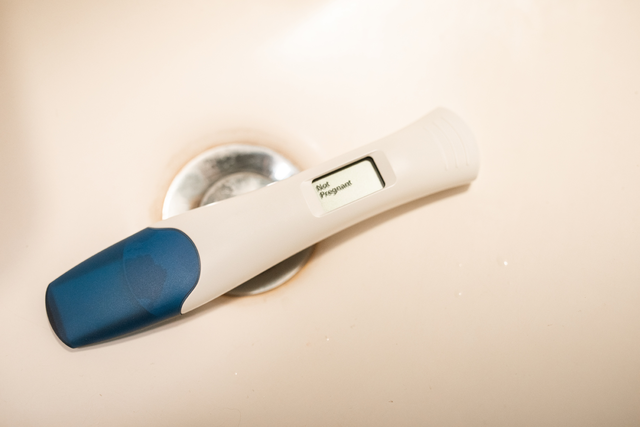
When it comes to fertility, the numbers are not as prolific as you might expect. Among heterosexual American women aged 15 to 49 years with no prior births, about one in five are unable to get pregnant after a year of trying. One in four women in this group have difficulty getting pregnant at all, or in carrying a pregnancy to term — a condition known as “impaired fecundity.” The World Health Organization now estimates that 15 percent of reproductive-aged couples globally are affected by infertility in some way.
My wife and I are one such couple. We discovered our status after multiple visits to many different doctors and specialists. Clinically speaking, you would be considered to be infertile by clinicians 12 months after actively trying to get pregnant. What we found out next was disconcerting, if not dispiriting. When doctors do not have a clear idea of what is causing infertility, as in our case, it is simply termed “unexplained,” and therapies are recommended. Once we received that diagnosis, for example, my wife and I immediately decided to do the only thing we thought we could do: begin invasive fertility procedures such as intrauterine insemination (IUI), a type of artificial insemination, and the far more common in vitro fertilization (IVF).
Up until we tried to have a child, both my wife and I had chosen to focus on our respective careers. As a result, we had delayed having children until our early 30s. But this is considered a very normal time for women to get pregnant, and we assumed that doing so would not be difficult. Sadly, “getting to pregnant” turned out to be a more complex and longer process than we ever anticipated. Ultimately, it would be over five years before my wife and I successfully conceived.
Since we had been so eager to start a family, having delayed doing so by close to a decade, my wife had ultimately decided to try pretty much everything, from traditional Chinese medicine to the aforementioned IUI and IVF, which are the accepted treatments in the West. Thankfully, the IVF treatment worked, and we were blessed with our first child.
But the frustration of being diagnosed with “unexplained infertility” nevertheless lingered, as did many questions, “Why could so many doctors not explain the source of our infertility?” “Why were the prescribed therapies all invasive?”
Before getting pregnant, we had already done a lot of personal research on the subject, as you might imagine. Afterwards, however, we decided to take a broader, more scientific view of infertility.
One of the first things we realized is that the pregnancy process is probably never going to proceed perfectly. According to the available statistics, a couple only has a 15-25% chance of a successful conception in the first months that they try. As a result, a big aspect of fertility challenges tends to be emotional, particularly the longer it drags out. To this end, I would suggest that, from the start, couples think of the process as a journey rather than a destination. Make it one that will bring you and your partner closer together.
Infertility can be incredibly frustrating, but it can also be a process that allows both partners to appreciate their union even more. Needless to say, nature has designed conception as something that should be a pleasure rather than a chore, but if nature needs help, there are non-invasive tools and resources that couples can use to aid their journey. Keep in mind that one in six couples will face some kind of fertility challenge — if you are one of those couples experiencing “unexplained infertility,” you are far from alone, and you should know all of your options.
Thankfully, there has been significant progress made in understanding infertility through science, and the healthcare industry has already adopted new practices. Fewer infertilities are labeled “unexplained.” But because most couples still prefer natural methods if at all possible, they should become aware of evolving and effective home-use technologies that can be very complementary to IUI and IVF. Most are simple and non-invasive.
If this still sounds scary, remember that much of the stigma surrounding fertility treatments is due to semantics. Ever since IVF was invented in the 1950s, the lives helped along by methods beyond intercourse became known as “test tube babies.” This term made them seem like something less than “natural babies,” just as a “C-section baby” sounds less desirable than one resulting from a natural childbirth. But the truth is that all babies are ultimately the same biologically, however they are conceived or born. And though we cannot yet fully explain unexplained infertility, there is almost no reason today that a couple cannot be blessed with a child of their own making.
The post Explaining Unexplained Infertility appeared first on Women Daily Magazine.
Comments
Post a Comment