Key Takeaways:
- Play-based learning fosters cognitive, social, and emotional development in young children.
- Engaging in play enhances spatial reasoning, a predictor of future success in STEM fields.
- Integrating play into early education curricula leads to improved academic outcomes and school readiness.
The Role of Play in Cognitive Development
Play is widely recognized as an essential pillar of early childhood education. Through thoughtful, creative play, young children not only experience joy and self-expression but also develop foundational cognitive skills that will benefit them for years to come. A child’s imagination reaches its peak during the early years, and play enables them to explore, experiment, and make sense of the world around them. Activities such as building blocks, drawing, and engaging in imaginative role-play are far more than mere leisure—they activate critical thinking, logic, and early problem-solving skills in a relaxed, supportive environment. A child who spends time engaged in these activities is constantly learning and adapting. Parents who are eager for their children to develop a lifelong love of learning can find significant value in programs like pre k near me, which offer play-based learning environments structured to support growth across all developmental domains.
Decades of research show children engaged in playful activities develop skills in spatial reasoning, memory, and comprehension. For example, block-building teaches math, shapes, patterns, and physics, helping children see balance and symmetry. These activities build skills linked to future success in math and science. A New York Times article states that manipulating objects helps children visualize problems and develop mental strategies essential for STEM careers.
Social and Emotional Benefits of Play
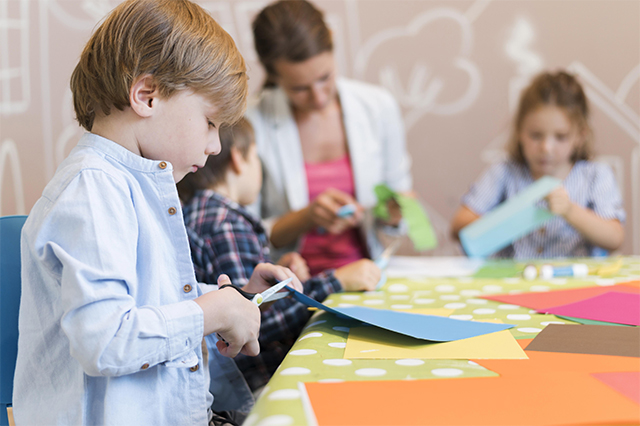
The value of play extends beyond cognitive development; it is also key in shaping children’s emotional well-being and social skills. Group activities and shared games serve as a training ground where children learn to cooperate, negotiate rules, resolve conflicts, and develop empathy for others’ feelings. These collaborative tasks teach patience and compromise—tools essential for thriving in any social setting. As children participate in dramatic play or engage with peers, they begin to appreciate different perspectives and understand the importance of communication.
Research has consistently shown that play supports self-regulation, resilience, and the development of a robust self-concept. Imaginative scenarios or games with shifting rules push children to adapt, manage unexpected disappointment, and find joy in both participation and outcome. Learning to win graciously and lose gracefully is no small feat for young minds, but such experiences lay a foundation for healthy emotional intelligence. Play also offers an outlet for emotional processing, as children can act out fears, frustrations, and joys, supporting mental well-being from a very young age.
For families and caregivers who seek to nurture well-rounded growth, exploring established pre k schools near me can offer an ideal blend of playful learning and academic support, ensuring that social, emotional, and cognitive development happen hand in hand in a nurturing setting.
Integrating Play into Early Education Curricula
Effective early education combines structured lessons with child-directed play, boosting engagement, creativity, and language and numeracy skills. Studies highlighted by Education Week demonstrate that integrating play into the curriculum enhances kindergarten readiness, improves test scores, and fosters classroom cohesion. Such environments also foster motivation, persistence, and a love for exploration. Countries like Finland and Denmark emphasize play in early learning, focusing on inquiry over memorization to develop curiosity, adaptability, and collaboration for lifelong success.
Practical Strategies for Parents and Educators
Bringing play-based learning into home or classroom settings is budget-friendly and focuses on flexible thinking and creating an inviting environment. Parents and educators should utilize open-ended materials, such as wooden blocks and art supplies, to foster hands-on exploration and creativity. Setting aside time for child-led play enables children to engage in independent problem-solving. Incorporating spatial and descriptive language during daily activities nurtures vocabulary and reasoning. Additionally, playdates and collaborative activities are essential for children to develop social skills and adaptability, as supported by the American Academy of Pediatrics.
Challenges and Considerations
Despite benefits, implementing play-based learning faces challenges. Balancing academic goals with open-ended play is challenging, especially in schools that prioritize standardized testing. In under-resourced communities, a lack of quality materials, safe spaces, or educator training can limit effectiveness. Overcoming these barriers requires collaboration. Schools can invest in staff training on the value and classroom strategies. Policymakers and leaders can promote inclusive public play spaces and resource initiatives to support a more equitable and inclusive community. Together, communities can prioritize equitable, joyful early education for all.
Conclusion
Embracing play-based learning as a core principle of early childhood education paves the way for comprehensive development—cognitive, social, and emotional. By incorporating play into daily teaching and family routines, we provide children with the best possible start to their educational journey, igniting curiosity and building resilience that will last a lifetime. A strong investment in play today prepares young learners to meet the complex challenges—and seize the vast opportunities—of tomorrow’s ever-changing world.
The post How Play-Based Learning Shapes Early Childhood Success appeared first on Women Daily Magazine.
https://ift.tt/HE1L0XR
Comments
Post a Comment